
Putting Children’s Rights at the Heart of Care: Introducing the ISupport Checklist
On international Children's Day 2025 we launched the ISupport Rights-Based Standards Checklist, an evidence-informed tool to help professionals ensure that every child’s rights and well-being are respected in practice.
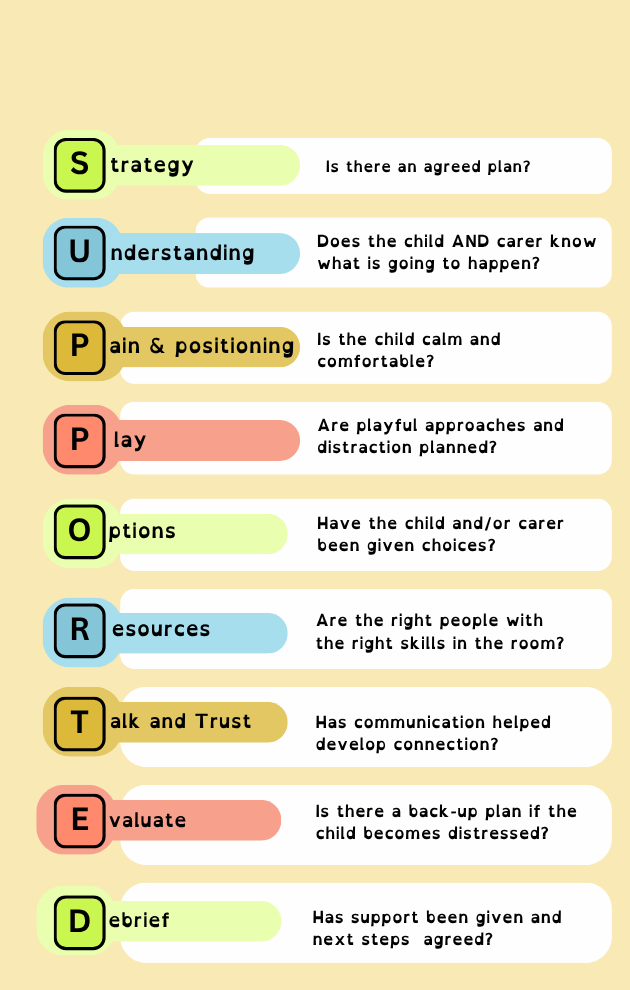
Making sure all Children know their rights: Introducing the symbol based iSupport standards
ISUPPORT launched a Widget symbol based version of the rights-based standards and a symbol based prep sheet to help children get ready for their procedure and communicate their needs in 2025
We consulted with over 200 children and young people with additional needs to develop these documents to make sure the text and symbols are accessible and meet their needs. It has been great to work with ‘Children in Hospital Ireland’ and Inclusion Ireland who have helped support consultation events to seek the views of young people and parents. We would like to thank the young people who attended the Sefton Council Youth Conference 2024 and those working with Stichting Kind en Ziekenhuis who have provided very valuable feedback.
Anna Gunning from Children in Hospital Ireland said;
“Thanks to all those who gave their time and their insights to help us develop these final sheets. We, in Children in Hospital Ireland, were delighted be a part of this project and we know that it will be a great resource for many children and their families.”
These symbol based versions are an important part of making sure that all children and young people know their rights when they are having a health test, treatment, examination or intervention.


ISUPPORT launch a comic strip version of the rights-based standards for children.
In 2024 we launched our new comic strip version of the standards. This helps more children learn about their rights when they have a health care procedure.
This launch marked the culmination of a year’s work with over 100 children and young people from the UK, Netherlands and New Zealand who have guided every step of the process. We would like to thank all the children and young people who have shared their views and opinions.
“We have learned so much from the children and young people who have helped develop this engaging and accessible version of the standards. Even though the comic is simple, it has been really challenging to develop images to show the principles of procedural care and which work across a wide range of contexts.” Professor Lucy Bray
We would particularly like to thank Stichting Kind en Ziekenhuis who have provided valuable guidance and have supported us in working with amazing illustrators and graphic designers. Leonie Sonneveld has done a great job creating the engaging images.
“It was a joy to work with children to transform the standards into an easy to understand visual version for children themselves. By creating this version, we are not only broadening the reach of the standards but also empowering children to understand and advocate for their rights in medical settings” Jorien Mulder

Thank you to the young people from Sefton Council who have helped us so much over the last few years to continue our work in developing resources and more accessible versions of the standards.

iSupport international collaboration wins top nursing accolade
We are delighted to announce that ISUPPORT has won the prestigious Child Health category of the Royal College of Nursing Awards 2023.
Professor Bray said: “We are so honoured to win this award on behalf of such an incredible international team and all the children, parents and professionals who have shared their views and experiences with us over the last two years. We hope this award helps to raise the profile of our work and encourage conversations in practice about how we can best support children before, during and after their procedure.”